The ring and ball softening point test is used to determine the temperature at which a material, like bitumen or asphalt, starts to soften and flow under specific conditions.This test is valuable for characterizing these materials because they don’t have a distinct melting point but gradually transition from solid to liquid as temperature increases. The softening point is a crucial factor in determining the performance of these materials in applications like road construction, where they need to maintain structural integrity at different temperatures.
Here’s a more detailed explanation:
Purpose and Significance:
-
Determines the temperature at which a material softens:The test measures the temperature at which a material, such as asphalt or bitumen, starts to soften and become more viscous under specific conditions.
-
Characterizes material properties:The softening point helps determine the type and grade of bitumen suitable for various applications, including road construction, roofing, and waterproofing.
-
Ensures structural integrity:In road construction, for example, the softening point of bitumen affects its ability to maintain structural integrity under different weather conditions, especially high temperatures.
-
Quality control:The test is used in quality control to ensure that materials meet specific performance standards.
How it works:
-
1. Sample Preparation:A sample of the material is placed in a brass ring.
-
2. Heating and Observation:The ring and sample are placed in a water or glycerin bath, and the temperature is gradually increased.
-
3. Steel Ball Depths:A steel ball is placed on top of the sample. As the temperature rises, the material softens, and the ball sinks into the sample.
-
4. Recording the Softening Point:The temperature at which the ball sinks a specific distance (typically 25mm) is recorded as the softening point.
Materials Tested:
-
Bitumen:The ring and ball method is commonly used to determine the softening point of bitumen, a key component in asphalt.
-
Asphalt:Asphalt binders, used in road construction, are also tested using this method to ensure their suitability for different climates and traffic conditions.
-
Resins and other materials:The test can also be used for other solid or semi-solid materials that gradually soften with increasing temperature, such as coal tar pitch and some resins.
In summary, the ring and ball softening point test is a crucial tool for characterizing the temperature-related properties of bituminous materials, ensuring their suitability for various applications and maintaining the structural integrity of infrastructure like roads under different conditions.
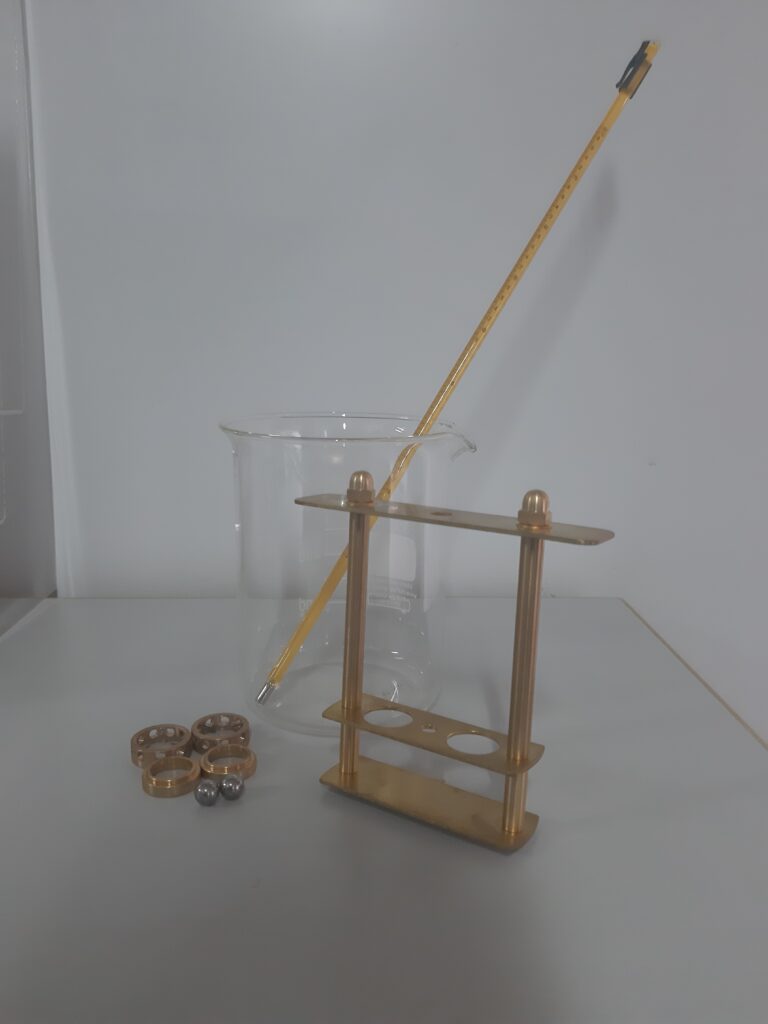
Set consist of: (ALL ITEMS SOLD SEPARATELY)
- Glass beaker 800ml
- Thermometer ASTM 15C
- Frame
- Taper Ring
- Centre Ring
- 9.5mm Balls
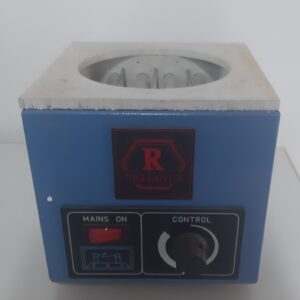
- Heating Mantle
Heating Mantle:
- Manufactured from stainless steel outer case
- Syndanio thermal insulated top
- High temperature glass wool insulation
- Infrared heaters enclosed in silica glass tubing
- S/S wire rods to support beaker as well as protected heaters
- variable temp. control
- Illuminated on/off switch
- Heavy duty 2m power lead 16amp 3 pin plug
- ASTM D36-70