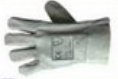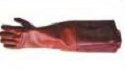

Both heat-resistant and PVC gloves provide essential hand protection, but for different purposes. Heat-resistant gloves offer protection against high temperatures from sources like hot objects, ovens, or flames, while PVC gloves are primarily designed for chemical and general wear applications.
Heat-Resistant Gloves:
-
Purpose:Protect hands from burns caused by high temperatures, such as hot objects, ovens, flames, or molten metals.
-
Materials:May be made of materials like fabric, Kevlar, PBI, or a combination, depending on the level of heat resistance needed.
-
Applications:Removing hot objects from autoclaves, drying ovens, handling hot materials in labs, and welding.
PVC Gloves:
-
Purpose:Provide protection against chemicals, oils, grease, and other contaminants.
-
Material:Made from polyvinyl chloride (PVC), which is known for its durability and resistance to various substances.
-
Applications:Medical procedures, food handling, chemical industries, painting, and tasks involving liquids or oils.
Key Differences:
-
Heat vs. Chemical Resistance:Heat-resistant gloves focus on temperature protection, while PVC gloves prioritize resistance to chemical and liquid exposure.
-
Materials:Heat-resistant gloves may use specialized fabrics or polymers for thermal insulation, whereas PVC gloves are primarily made of PVC.
-
Applications:Heat-resistant gloves are used in high-temperature environments, while PVC gloves are more versatile for various tasks involving chemicals and liquids.
In summary: Choose heat-resistant gloves for situations involving high heat or flames, and choose PVC gloves for chemical, oil, or general wear protection.
Gloves are used for protection whilst handling materials. We supply standard gloves used for civil engineering. Heat Resistant gloves, PVC Cuff glove and Chemical Resistant gloves.