
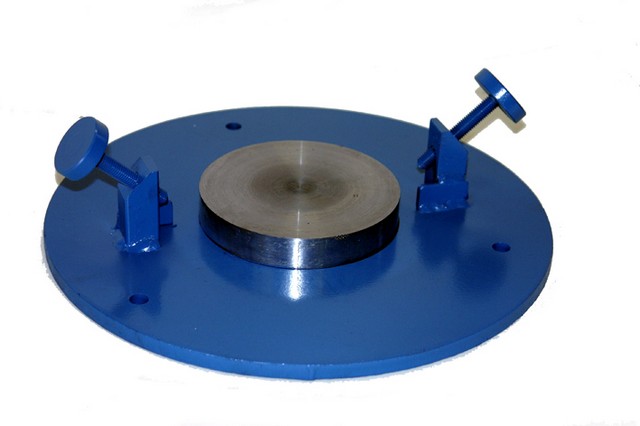
A manual compaction baseplate is used to provide a level, solid surface for manually compacting CBR (California Bearing Ratio) samples in a mold. It’s a crucial part of the CBR test, which evaluates the strength of road and pavement materials.
Elaboration:
-
Purpose:The baseplate ensures a uniform and stable base for compacting the soil sample within the CBR mold, which is then used to determine the CBR value.
-
Function:It provides a solid surface for the compaction effort, allowing the use of a manual hammer to compact the soil in the mold
-
Use in CBR Testing:The baseplate, along with the CBR mold and a manual hammer (MOD hammer), is used to prepare the compacted soil specimen for the CBR penetration test. The CBR test is a standard laboratory test used to determine the strength of subgrade, subbase, and base course materials
-
Significance:The CBR value is a key parameter in pavement design, helping engineers determine the required thickness of pavement layers.
A plate compactor uses a large steel plate to get rid of air pockets in various ground materials and provide tighter compaction. They work on rough and uneven ground, to flatten it and create a level grade. Commonly, this will be soil, sand, hardcore, gravel, asphalt and similar, for smaller projects or areas that require precision and control, a hand tamper can deliver satisfactory results at a lower cost.